Review: Simple Kitchen Recipe Card Template for Embroidery
As a designer who spends most of my day staring at digitized files and thread charts, I approach new assets with a specific set of criteria. It is not just about whether a graphic looks cute on a screen; it is about how that Simple Kitchen Recipe Card Template translates when a needle hits fabric. In the world of Print Templates and Graphics, there is often a disconnect between digital ease and physical execution. This review breaks down how this specific template holds up when moved from a Canva browser window to a real-world embroidery project.
First Impressions and Design Personality
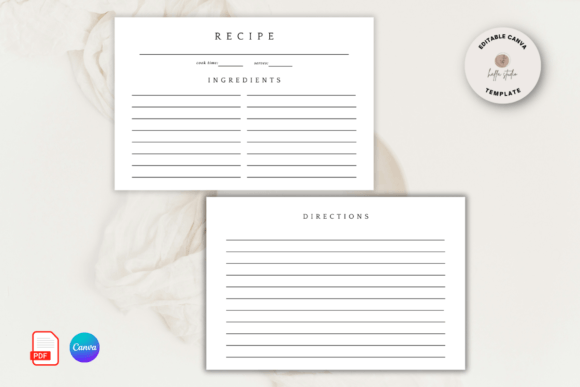
When I first opened the Simple Kitchen Recipe Card Template, the immediate feeling was one of organized nostalgia. The layout mimics the classic index card aesthetic that many of us associate with grandmothers' kitchens and handwritten family secrets. For an embroidery designer, this is gold. The clean lines and structured spaces suggest a mood that is both functional and sentimental. It does not scream for attention with chaotic details; instead, it offers a calm, inviting presence that fits perfectly into the current trend of cottage-core and modern farmhouse decor.
The visual personality here is understated. In a market flooded with overly complex digital embroidery file options, simplicity often wins. The template's structure provides a natural frame for text or small iconography. However, because this is a Print Templates product designed for online personalization in Canva, we have to do a bit of mental translation. We are looking at a flat graphic that needs to be interpreted into stitch types like satin stitch for borders, fill stitch for background blocks, or running stitch for delicate outlines. The potential is high, but it requires a thoughtful digitizing strategy or careful application if using it as a printed transfer.
Real-World Application: The Custom Apron Scenario
To truly test the viability of this design, I imagined a specific client request: a boutique kitchenware shop needing branded aprons for a holiday launch. The client wanted something that felt handmade but professional. The Simple Kitchen Recipe Card Template immediately came to mind as the central motif for a tote bag design or, in this case, a high-quality linen apron.
Picture the finished product. A cream-colored linen apron with the recipe card motif stitched near the chest pocket. Inside the "card" area, you could embroider a actual family recipe or the shop's logo. The rectangular shape of the template works exceptionally well here because it creates a defined zone for customization. Unlike circular logos that can get lost on large garments, this rectangular Graphics element commands attention without overwhelming the garment. It turns a standard piece of custom apparel into a conversation starter. Customers seeing this in a boutique would likely perceive it as a high-value handmade product, increasing the perceived worth of the item significantly.
Navigating Fabric and Stitch Challenges
While the aesthetic is strong, practical execution requires caution. One of the biggest hurdles with recipe card designs is the implication of text. If you plan to digitize this into a machine embroidery design, you must be wary of tiny lettering. Small text often becomes illegible when stitched, especially on textured fabrics like terry cloth towels or waffle-weave aprons. If the Simple Kitchen Recipe Card Template includes placeholder text, ensure your final version uses large, bold fonts or replaces text with simple icons to maintain clarity.
Fabric choice is another critical factor. This design shines on stable, woven materials like cotton duck, linen, or canvas. These fabrics provide the necessary support for the straight lines and sharp corners inherent in a card layout. However, if you attempt this on a stretchy sweatshirt or a thin baby onesie, you risk distortion. The stitch density needs to be managed carefully. Too dense, and the fabric will pucker, ruining the crisp "card" look. Too light, and the backing might show through, cheapening the finished product. Always use a high-quality stabilizer appropriate for your fabric weight to ensure those corners remain sharp.
Curved surfaces present another challenge. Applying this rectangular design to a cap or a rounded pillow cover requires advanced hooping techniques. The rigid geometry of a recipe card can look warped if not centered perfectly on a curved surface. For beginners, sticking to flat items like tea towels, pillow covers, or wall hangings is the safest bet to preserve the design's integrity.
Enhancing Brand Value and Customer Trust
For Etsy sellers and craft business owners, consistency is key to building brand trust. The Simple Kitchen Recipe Card Template offers a versatile asset that can be adapted across various products while maintaining a cohesive look. Imagine selling a set that includes an embroidered towel, a matching patch, and a framed print, all utilizing variations of this same template. This level of coordination signals professionalism to buyers.
Furthermore, the "recipe" theme taps into deep emotional connections. Food and family are universal languages. By using this template to create personalized gift items—perhaps stitching a bride's favorite family recipe onto a kitchen towel for a wedding shower—you elevate the item from a commodity to a keepsake. This emotional resonance drives buyer engagement and can justify a higher price point for your small shop product listings. It shows that you understand the story behind the stitch, not just the mechanics of it.
Practical Notes for the Professional Maker
Before committing this design to a final client project, there are several steps every experienced decorator should take. First, remember that the Simple Kitchen Recipe Card Template is a digital graphic. It is not inherently an embroidery file unless you digitize it yourself or hire a professional. Do not assume it comes with pre-set stitch counts or hoop specifications. You must verify the dimensions and scale the design to fit your available hoop size.
- Test on Scraps: Always stitch out a sample on the exact fabric you intend to use. Check how the thread colors interact with the material.
- Contrast Check: Review the design in black and white mockups to ensure the elements stand out clearly without relying on color alone.
- Licensing Verification: Since this is a Canva-based template, strictly review the licensing terms regarding commercial use. Ensure you are allowed to sell physical items featuring this design.
- Density Review: If digitizing, keep stitch density moderate to prevent stiffness, especially on items like baby clothes or lightweight shirts.
- Detail Inspection: Zoom in on corners and lines. Sharp angles in graphics often need to be slightly rounded in embroidery to prevent thread breaks and bird nesting.
In conclusion, the Simple Kitchen Recipe Card Template is a robust starting point for creators looking to add a touch of warmth and organization to their catalog. Whether used for holiday embroidery gifts, baby embroidery projects, or commercial embroidery runs for local cafes, its strength lies in its versatility. However, its success depends entirely on the maker's ability to translate a flat Print Templates concept into a tactile, durable, and beautifully stitched reality. With the right fabric, proper stabilization, and a keen eye for detail, this template can become a staple in your library of design assets, helping you create products that customers love to own and gift.