Review: Name Arabic Calligraphy Art, AFAF for Embroidery
As a designer who spends more time staring at stitch maps than most people care to admit, I approach every new machine embroidery design with a mix of curiosity and skepticism. We have all downloaded a file that looked stunning on the screen only to turn into a bird's nest of thread on the fabric. Recently, I got my hands on the Name Arabic Calligraphy Art, AFAF, a vector-based graphic intended for high-quality Islamic wall art and personalized products. My goal wasn't just to admire the aesthetics; I wanted to know if this Graphics asset could survive the rigors of a real-world embroidery project for a paying client.
The Visual Personality and First Impressions
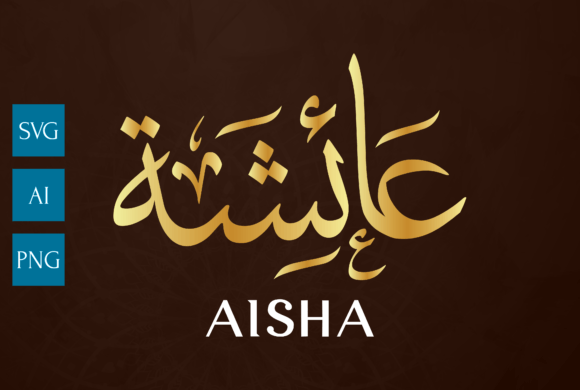
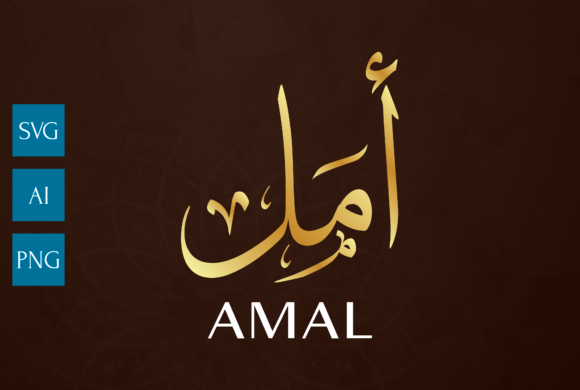
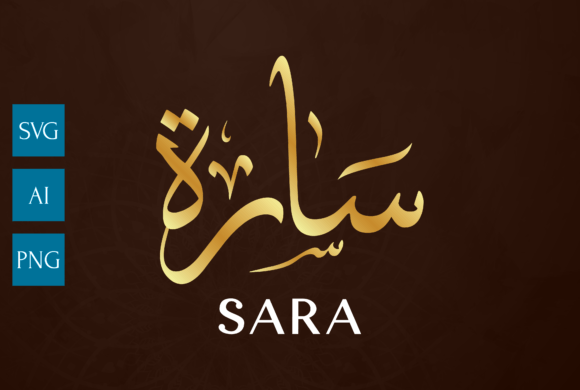
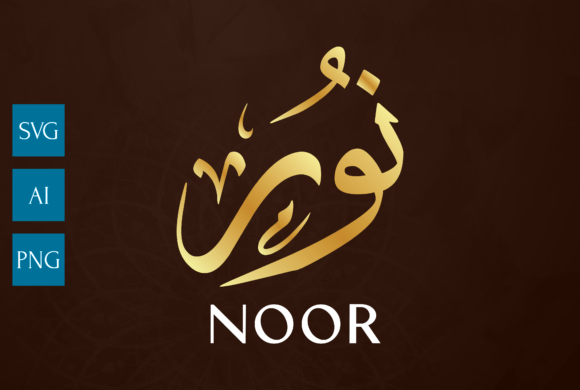
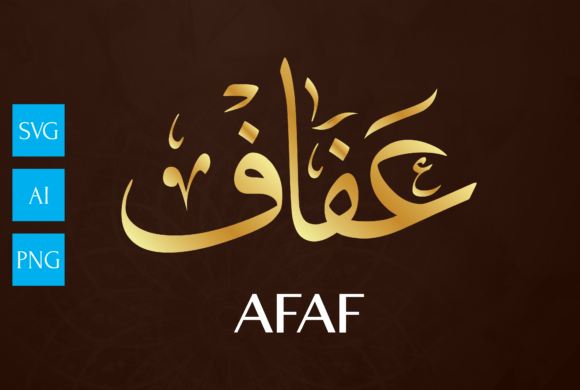
When I first opened the file, the immediate impression was one of elegance and flow. Arabic calligraphy is notoriously difficult to digitize because it relies heavily on the fluidity of the pen stroke. The Name Arabic Calligraphy Art, AFAF captures this organic movement well. The curves are smooth, and the composition feels balanced, which is crucial when you are translating a 2D vector into a textured handmade product.
The design exudes a sense of tradition mixed with modern minimalism. It isn't overly ornate, which actually works in its favor for embroidery. Overly complex details often get lost under thread coverage. This piece seems to have enough negative space to allow the stitches to breathe, suggesting it would perform well as a focal point on a tote bag or a centered chest logo on a sweatshirt. The mood is serene and sophisticated, making it an excellent candidate for boutique branding or high-end personalized gifts.
Real-World Application: The Custom Tote Bag Scenario
To truly test the viability of this design, I imagined a specific scenario: a custom order for a local boutique needing branded tote bags for an upcoming cultural festival. The client wanted something that felt authentic but also durable enough for daily use. This is where the Name Arabic Calligraphy Art, AFAF shines. Because the lines are relatively bold and the shapes are distinct, they translate beautifully into satin stitch or a well-balanced fill stitch.
If I were stitching this onto a canvas tote, the texture of the fabric would complement the raised nature of the embroidery. The design's layout suggests it would look fantastic in a single color, perhaps a deep navy or gold thread against a natural cotton background. For an Etsy seller or small shop owner, this versatility is key. You aren't locked into one specific look; the design adapts to the brand's color palette without losing its identity. It creates a finished product that feels expensive and thoughtful, directly boosting customer trust and perceived value.
Performance on Different Fabrics and Garments
While the design looks promising on sturdy canvas, we need to talk about how it handles trickier materials. If you are planning to use this for sweatshirt embroidery or baby embroidery on soft knits, you need to be mindful of stitch density. Arabic script can have tight corners and sweeping curves. If the digitized version (which you would create from this vector) is too dense, it could cause the fabric to pucker or the garment to lose its drape.
For stretchy fabrics, using a high-quality cut-away stabilizer is non-negotiable. The Name Arabic Calligraphy Art, AFAF has some intricate intersections in the lettering. On a textured fabric like a waffle knit or a fuzzy fleece, these details might blur slightly. In those cases, increasing the size of the design or simplifying the stitch types to more running stitch outlines could preserve clarity. Conversely, on smooth materials like polo shirts or apron twill, this design would likely crisp up perfectly, offering sharp definition that enhances professionalism.
Critical Considerations for Commercial Use
Before you list this as a small shop product or incorporate it into a line of custom apparel, there are practical hurdles to clear. Since the source material is described as a vector illustration (SVG, AI, PNG), it is not a ready-to-stitch embroidery file out of the box. You will need to digitize it or have it professionally converted. This is a vital step. A poor digitization job can ruin even the best vector art.
When converting Name Arabic Calligraphy Art, AFAF into a machine format, pay close attention to the underlay. Proper underlay stitches will anchor the design and prevent shifting, which is essential for maintaining the integrity of the calligraphy curves. Also, consider the hoop size. While the design is scalable, ensure your hoop can accommodate the width of the name without needing to re-hoop, which can lead to alignment issues.
Furthermore, think about the end-user experience. If this is for a personalized gift like a baby blanket or a wedding keepsake, the back of the embroidery matters. Dense fill areas can be scratchy against sensitive skin. Trimming jump stitches and using a soft backing or topper can make the difference between a gift that is cherished and one that sits in a drawer.
Enhancing Brand Consistency and Buyer Engagement
In the world of craft business, consistency is currency. Using a cohesive design element like Name Arabic Calligraphy Art, AFAF across different items—patches, pillow covers, tea towels—helps build a recognizable brand aesthetic. Customers appreciate when a shop curates its offerings with a distinct visual language. This design serves as a strong anchor for that identity.
For digital product sellers, this vector can also serve as a base for printable mockups. Showing potential clients how the design looks on various garments before they even buy the physical item can significantly increase conversion rates. It allows them to visualize the holiday embroidery or embroidered patch on their own products, bridging the gap between concept and reality.
Final Verdict and Designer Notes
The Name Arabic Calligraphy Art, AFAF is a robust asset for any creative entrepreneur working within the Crafts category. Its strength lies in its adaptability and timeless appeal. However, its success depends entirely on the execution. Here are my top recommendations for anyone looking to use this design:
- Test on Scrap Fabric: Never run a new design on a final product without a trial. Check how the thread colors interact with the fabric texture.
- Check Licensing: Ensure the license covers commercial use if you plan to sell finished items or digital derivatives.
- Mind the Details: Inspect small corners and sharp turns in the digitized version to ensure the needle doesn't break or skip.
- Contrast is Key: Test the design in black and white mockups first to ensure the shape holds up without relying on color contrast.
- Stabilizer Selection: Match your stabilizer to the fabric weight. Heavy designs on light fabric require serious support.
Ultimately, this design offers a fantastic opportunity to create meaningful, culturally rich products. Whether you are making a single personalized gift for a friend or launching a new line of commercial embroidery goods, the Name Arabic Calligraphy Art, AFAF provides a solid foundation. With careful digitization and attention to material selection, it can elevate your work from simple crafting to professional artistry.